

Staff
Our staff members are people who see the impact of injustice and wrongful convictions and step up to make a difference within a broken system. We see the harm the system has done and continues to do to individuals and families. We are dedicated to preventing injustice by supporting attorneys with complex forensic science cases.
Our staff comes from diverse professional backgrounds, including indigent defense, research, zoology, business, non-profit, and cognitive psychology. We work together as a close-knit team to address issues within our broken legal system and make change. We are dedicated to the goal of fair trials for all.
Staff Members
Dedicated to Changing Forensic Science in criminal Law
-
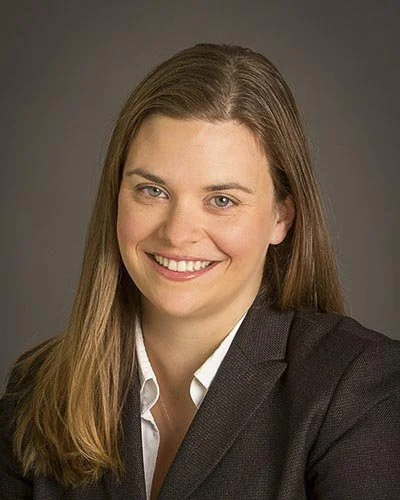
Katherine H. Judson
Executive Director
Katherine H. Judson is the Executive Director of the Center for Integrity in Forensic Sciences. She brings with her to the organization her lifelong, passionate support of justice, fairness, and civil rights causes.
Attorney Judson previously served as the SBS/AHT Litigation Coordinator for the Wisconsin Innocence Project, where she coordinated strategic litigation efforts in science-dependent cases, trained lawyers, consulted on medically complex cases, taught law students, and engaged in direct representation of clients wrongfully convicted of child abuse and homicide.
Earlier in her career, Attorney Judson served as the Innocence Network Shaken Baby Syndrome Litigation Fellow and as a trial attorney with the New Mexico Public Defender Department, where she represented clients facing felony charges, including capital crimes, and specialized in cases involving complicated forensic evidence. Her background in science–prior to law school–includes a bachelor’s degree in Zoology from the University of Wisconsin-Madison and work as a research assistant in a pathology laboratory at the University.
Attorney Judson has spoken before the American Academy of Forensic Sciences, the Innocence Network, the National Association of Criminal Defense Lawyers, and other law schools and professional organizations on topics related to forensic science.
-
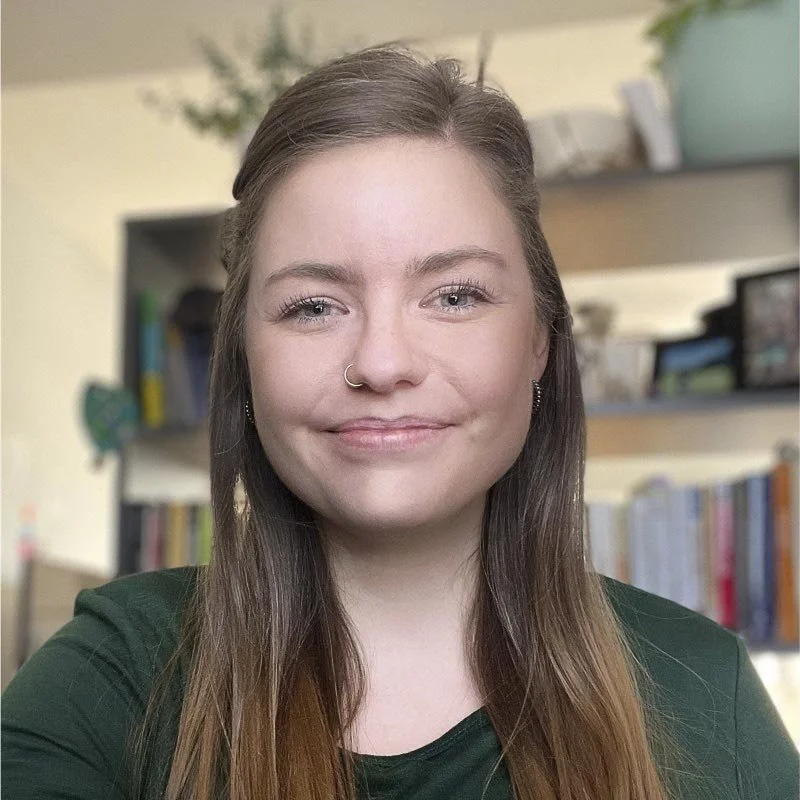
Kelly Sutherland
Research Director
Dr. Kelly Sutherland is an applied cognitive psychologist focused on human decision making during legal processes. Dr. Sutherland’s research has identified factors that lead defendants to enter false guilty pleas, discovered a bias toward individuals who plead guilty, and determined ways to mitigate that bias with legal education.
Dr. Sutherland is an alumna of Hofstra University (2012), Rivier University (2014), and the University of Massachusetts (2022). Previously, she worked for The Center for Open Science and The National Center for State Courts. Kelly’s work has been published in Law and Human Behavior, Journal of Experimental Psychology: Applied, and Criminal Justice and Behavior.
At CIFS, Dr. Sutherland uses her experience to assist defense attorneys challenging faulty forensic evidence in criminal courts. In addition to leading research and data efforts, Kelly heads the Center's internship program in collaboration with the University of Wisconsin - Madison’s Legal Studies Department.
In her free time, Kelly enjoys being in nature, taking care of her plants and cats, and playing Stardew Valley.
-
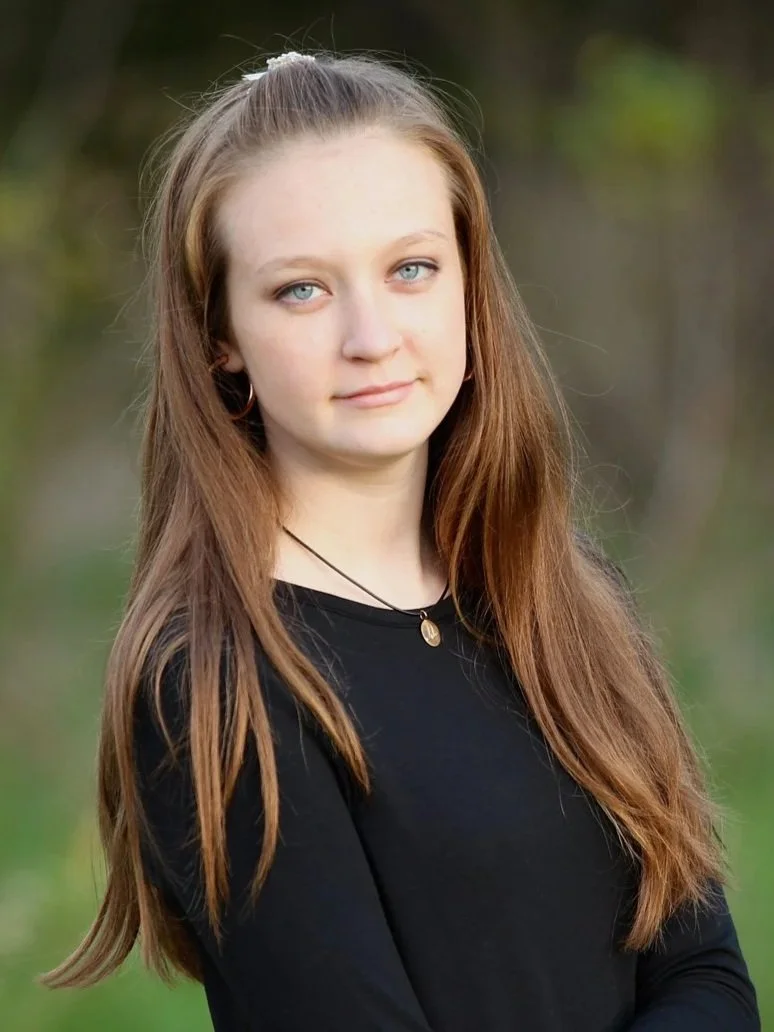
Madeline Wheeden
Communications and Development Specialist
With a passion for legal system reform, Madeline Weeden started at CIFS as an intern in 2019. She eventually moved into the role of Communications and Development Specialist after graduating with a degree in general business from the University of Wisconsin-Whitewater. Madeline works to educate stakeholders on forensic science issues to better enact change within our broken legal system. Madeline creates social media campaigns to raise awareness for upcoming executions in cases with faulty forensic science, injustice, or claims of innocence. She has spent most of her life working within small nonprofits and volunteering across the sector.
It was the media that brought injustices to the attention of Madeline. Documentaries and investigative journalism is what caught her attention. Like most people, she didn’t realize the injustices that were happening everyday in our legal system due to faulty or misleading forensic sciences, misidentification, official misconduct, and just plain error. This is why she believes in media to tell these stories; it raises awareness in a whole new way. She hopes that by sharing injustices, it will reach more people and we can make real change.
Madeline finds it particularly alarming that the death penalty system in the US has executed people who were later found to be innocent, like George Stinney and Cameron Todd Willingham.
In her free time she currently volunteers with a local cat rescue and enjoys tending to her houseplants, specifically her collection of alocasia plants.