
Faulty Forensics:
Spotlight on
Shaken Baby Syndrome (SBS)

Shaken Baby Syndrome (SBS) Lacks Scientific Support
When American Doctors Began Championing an Unsupported Hypothesis, Innocent Parents Were Attacked in Their Families Most Difficult Times
In the 1970s, American pediatric radiologist John Caffey hypothesized that when a caregiver shook a baby (out of frustration), they would develop subdural hematoma, retinal hemorrhaging, and edema, the classic “triad” of infant abuse symptoms. He initially coined the term “whiplash shaken baby syndrome.” Over the years, this idea of parents accidentally hurting or killing babies indirectly through shaking became known as shaken baby syndrome (SBS), also known as abusive head trauma (AHT) or non-accidental head injury.
Caffey’s hypothesis was quickly adopted by those advocating against child abuse, including the American Academy of Pediatrics. From the 70s until 2009, the American Academy of Pediatrics advised practitioners that the medical findings often associated with shaking could not have other causes and were caused exclusively (or nearly so) by shaking.
In 2009, that guidance changed; it has been evolving since. Now, nearly all of the medical community recognizes that these findings can have other causes, those causes can be mistaken for abuse, and a differential diagnosis is critical in all cases. Despite advocates in the medical community, other scientific disciplines have been skeptical about SBS. To date, for example, no biomechanical study has produced enough force from shaking to cause the medical findings often attributed to it.
Courts have also taken note. 44 individuals previously convicted of crimes related to SBS/AHT have been exonerated, and in 2025, the Supreme Court of New Jersey banned the use of SBS/AHT testimony in court when no other evidence of trauma is apparent.

There are Alternative Explanations for the Medical Findings Attributed to SBS
Doctors Owe Patients a Full Investigation into Causes of Injury and/or Death
The medical findings thought to be associated with shaken baby syndrome / abusive head trauma have many other causes that are not related to abuse, including:
Infections
bleeding disorders
undiagnosed chronic illness
short falls
viruses
childbirth
These are just a few of the many non-abusive explanations for the triad of symptoms.
When looking at false allegations of child abuse as a whole, there are approximately 200 medical conditions that can minic abuse. When pediatricians assume abuse, many investigations focus solely on investigating the abuse, and fail to investigate differential diagnoses or alternative explanations.
While child abuse does happen all over this country and the rest of the world, we must take steps to rule out other causes of trauma before accusations occur.
44 people have been exonerated after wrongful convictions involving SBS/AHT.
Many more convictions have been overturned where those accused chose to take a plea deal to go home and end their case, rather than risk their chance at retrial in a legal system that has already let them down once.

44
Exonerations
Everyday, parents and caregivers around the world are wrongfully accused of abusing a baby in their care. Most commonly, the person who was with the child when they collapsed is blamed.
Wrongful accusations can tear families apart, drain savings, and cause housing and job loss, all while they are trying to grieve the loss of a child.

Amplifying
a Tragedy
Shaken Baby Syndrome Case Study:
Robert Roberson
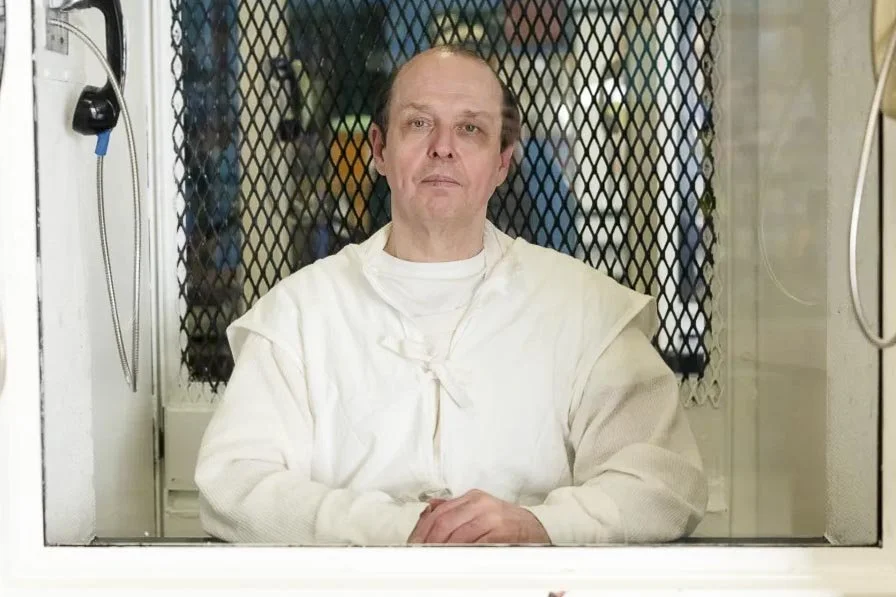
A Father Accused
In 2002, Robert Roberson’s 2-year-old daughter, Nikki, passed away after experiencing a respiratory illness, a 104.5 degree fever, and a short fall. Robert and Nikki fell asleep one night and Robert awoke in the night to a noise and found Nikki had fallen off the bed, onto the floor. He would later state that Nikki had a small amount of blood in the corner of her lip. He wiped it away and the two went back to bed. When Robert awoke in the morning, Nikki was unresponsive, and he rushed her to the hospital. Nikki had a history of unresolved infections and breathing apnea throughout her life. She had recently been prescribed Phenergan/promethazine, which now has a black box warning against use in children Nikki’s age and condition. The doctors at the hospital failed to adequately understand Nikki’s medical history and assumed abuse. Detectives and medical staff described Robert as having a flat affect, which furthered the suspicion. They didn’t believe he was reacting appropriately to the gravity of the situation. We now know that Robert has autism, leading to his flat affect.
An Execution Paused
Robert was scheduled to be executed on October 17th, 2024. After a day of testimony on October 16th, the Texas House Committee on Criminal Jurisprudence issued a subpoena for Robert to testify in front of them on October 21st, in an unprecedented attempt to halt his execution on the 17th. A court battle with the Texas Attorney General’s Office ensued. Ultimately, through extraordinary efforts by Robert’s lawyers, CIFS, Texas lawmakers, and countless advocates, Robert’s pending execution was paused, right before he was scheduled to be killed.
CIFS Contributes SBS Expertise
CIFS’ Executive Director, Kate Judson testified during a proceeding for the Texas House Committee on Criminal Jurisprudence in Robert’s proceedings in 2024 along with author John Grisham, a juror from Robert’s trial, and Robert’s attorney, Gretchen Sween. Kate provided key insight about SBS based on her years of experience in these types of cases. Robert’s case was of particular interest to us because he would have been the first person ever executed in the US based on the SBS hypothesis.
Case Tied Up in Courts
The fight ensued and Robert was never able to testify for the committee. On July 16th, 2025, Smith County District Judge Austin Reeve Jackson allowed the scheduling of Robert Roberson’s new execution date following a request from the Texas Attorney General’s Office. Robert’s execution date was scheduled for October 16th, 2025, almost one year to the day from his previous execution date. Days after the new date was set, Robert’s legal team filed motions for emergency stay of execution and oral argument, both highlighting that Robert has pending appeals in the Texas Court of Criminal Appeals and this new execution date creates needless pressure to reach a decision in this case.
One week before his scheduled execution, the Texas Court of Criminal Appeals granted a stay of execution and sent his case back to the trial court for further review. His case is currently ongoing in the courts.
To learn more about the history of Robert’s case, listen to the Wrongful Conviction Podcast episode dedicated to his story.

Help us combat faulty forensics
Learn more about Shaken Baby Syndrome on our Resources page. Sign up for our newsletter to receive the latest updates on our work. To join us in the fight to stop bad forensic science, please consider donating to the Center for Integrity in Forensic Science.