
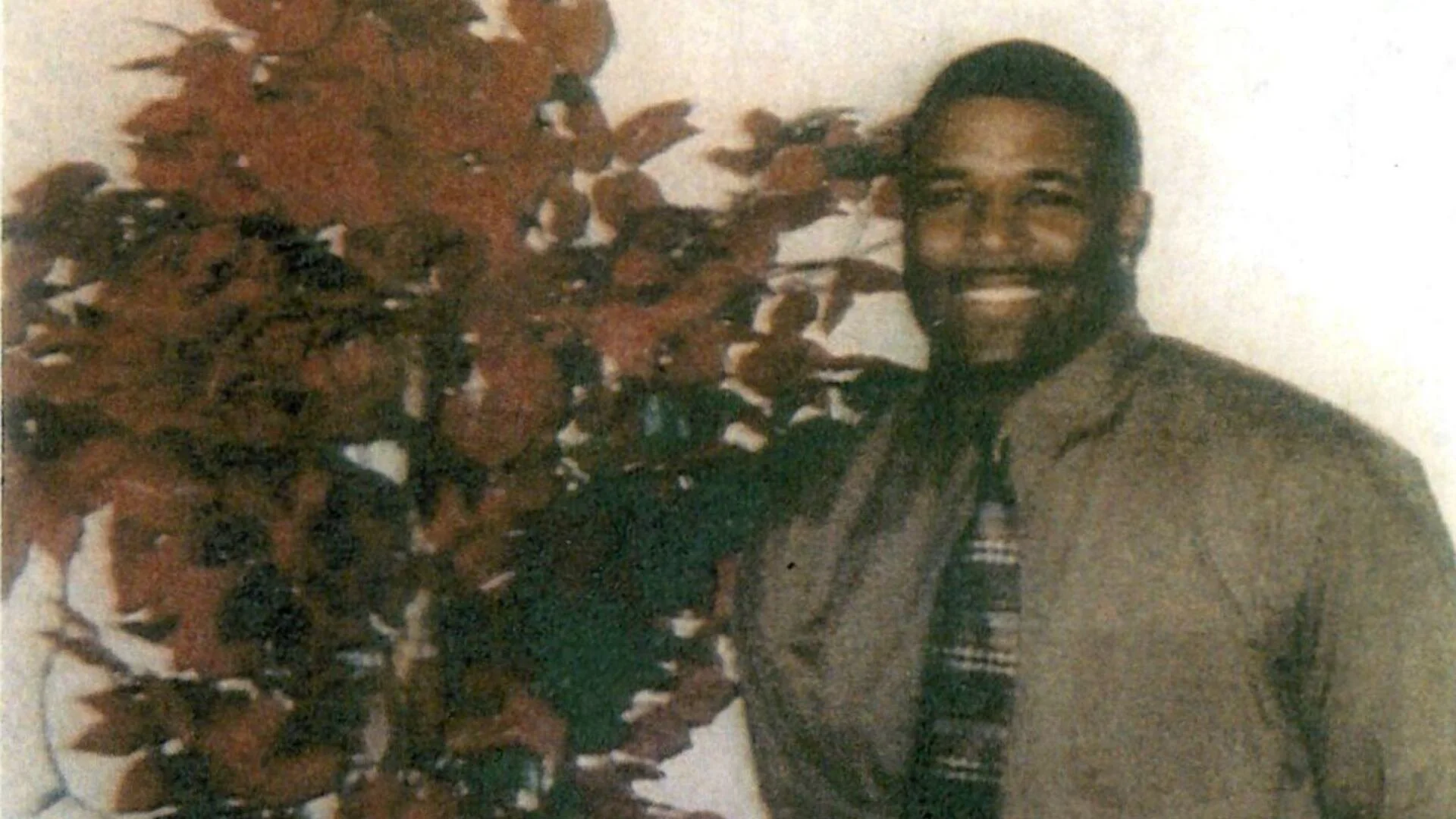
Amicus Brief: Danyel Smith
Kate Judson of CIFS and various other legal scholars filed this amicus brief in the Supreme Court of Georgia in Danyel Smith’s case to urge the court to grant a discretionary appeal. This case satisfies the standards of Supreme Court Rule 34 given that (1) the trial court committed reversible error by failing to grant Mr. Smith an evidentiary hearing; and (2) the bench and bar would benefit from additional precedent clarifying that changes in scientific or medical consensus warrants a new trial under Timberlake.
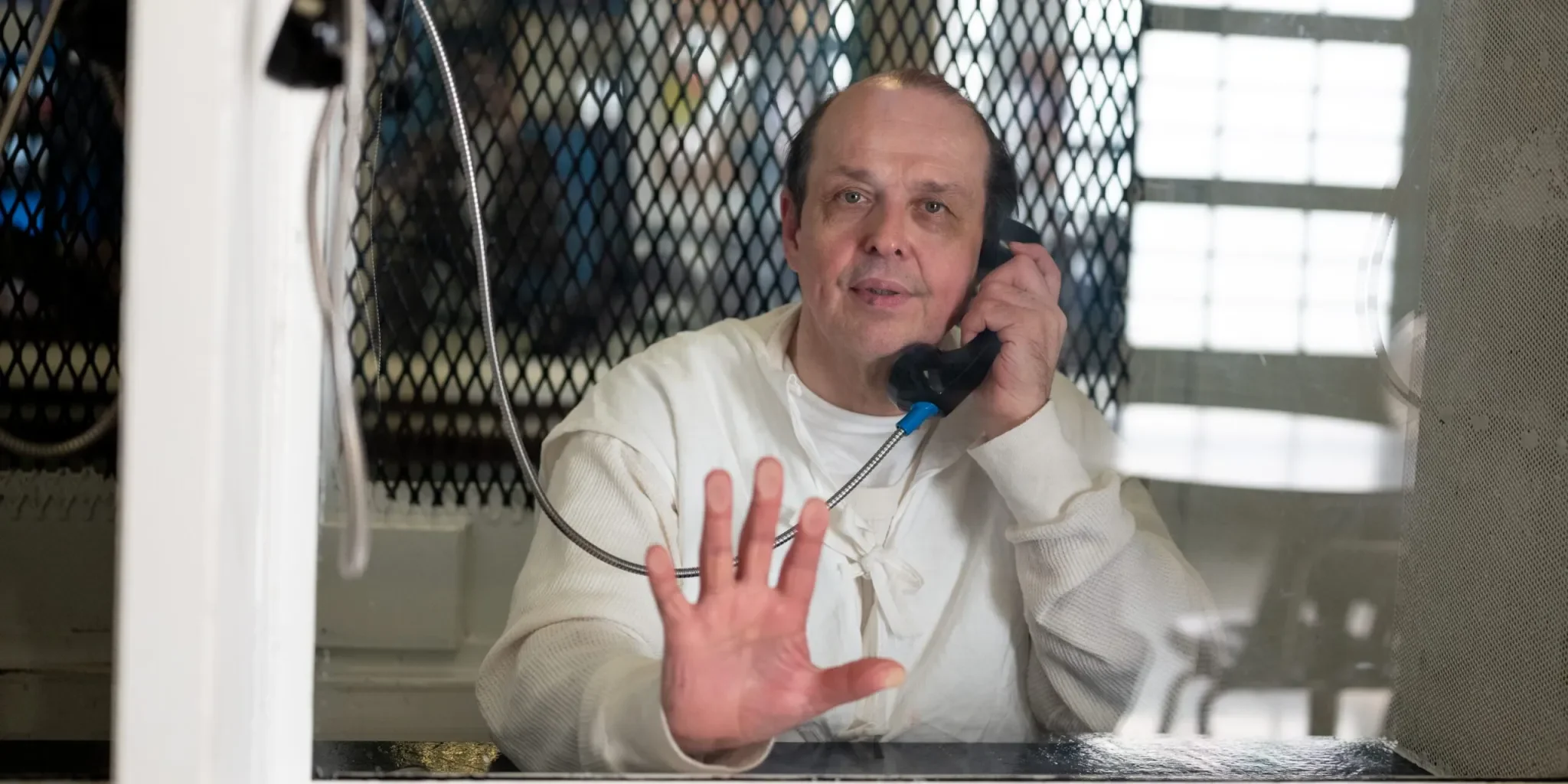
Amicus Brief: Robert Roberson
CIFS filed this amicus brief in the Texas Court of Criminal Appeals in Robert Roberson’s case to argue that shaken baby syndrome as we know it today, is junk science and Roberson is entitled to habeas relief. We ask for a new trial based on the erroneous nature of the SBS/AHT hypothesis.
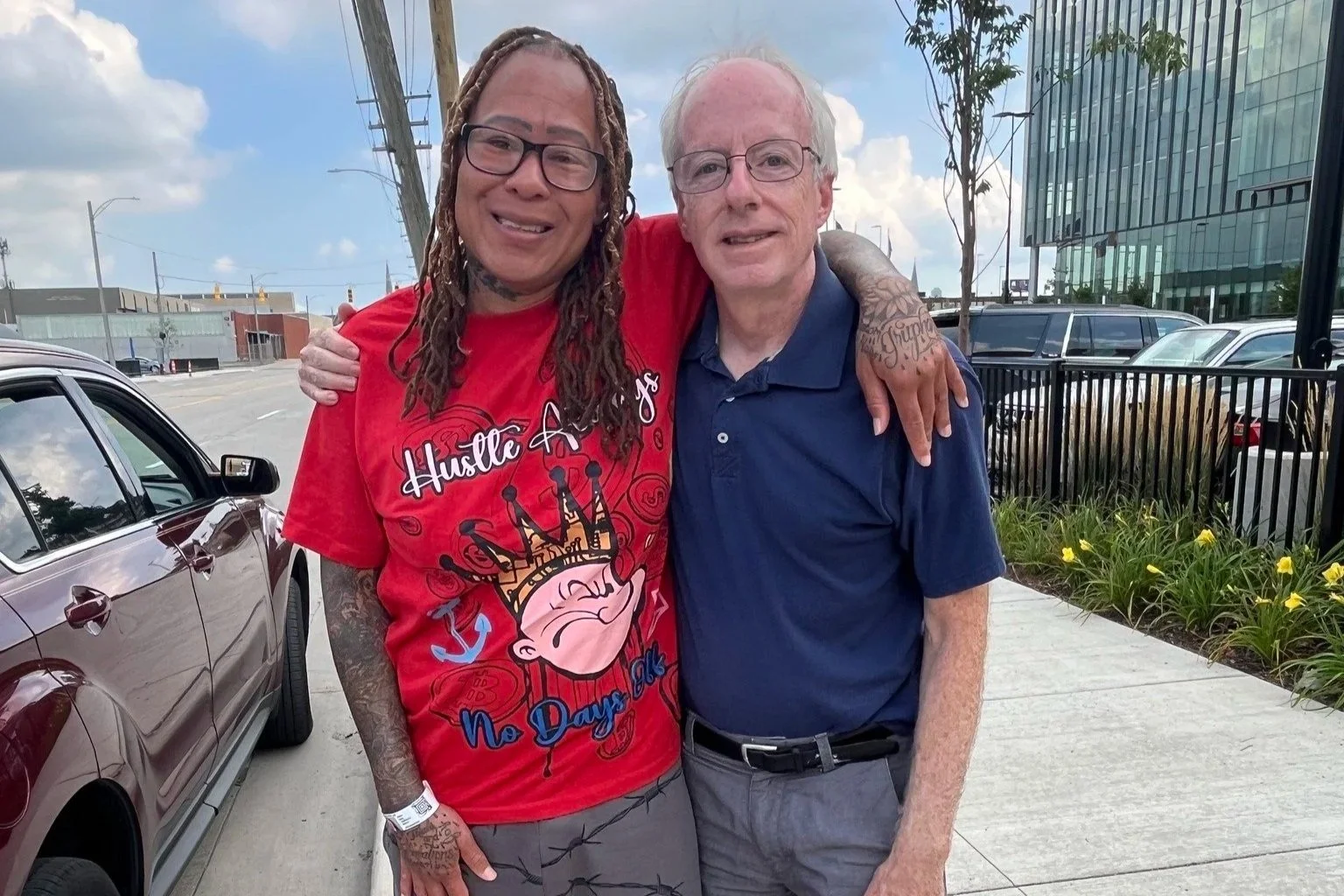
Amicus Brief: Chazlee Lemons 2022
CIFS filed this amicus brief in the Supreme Court of the State of Michigan in Chazlee Lemons’ case to ask the court to review this case in order to address the Court of Appeals’ improper reliance on insufficient and uncertain forensic testimony and evidence, to clarify the admissibility of biomechanical engineering testimony, to clarify the appropriate use of medical opinion evidence in determining causation, and to clarify the difference between medical data and confession data.
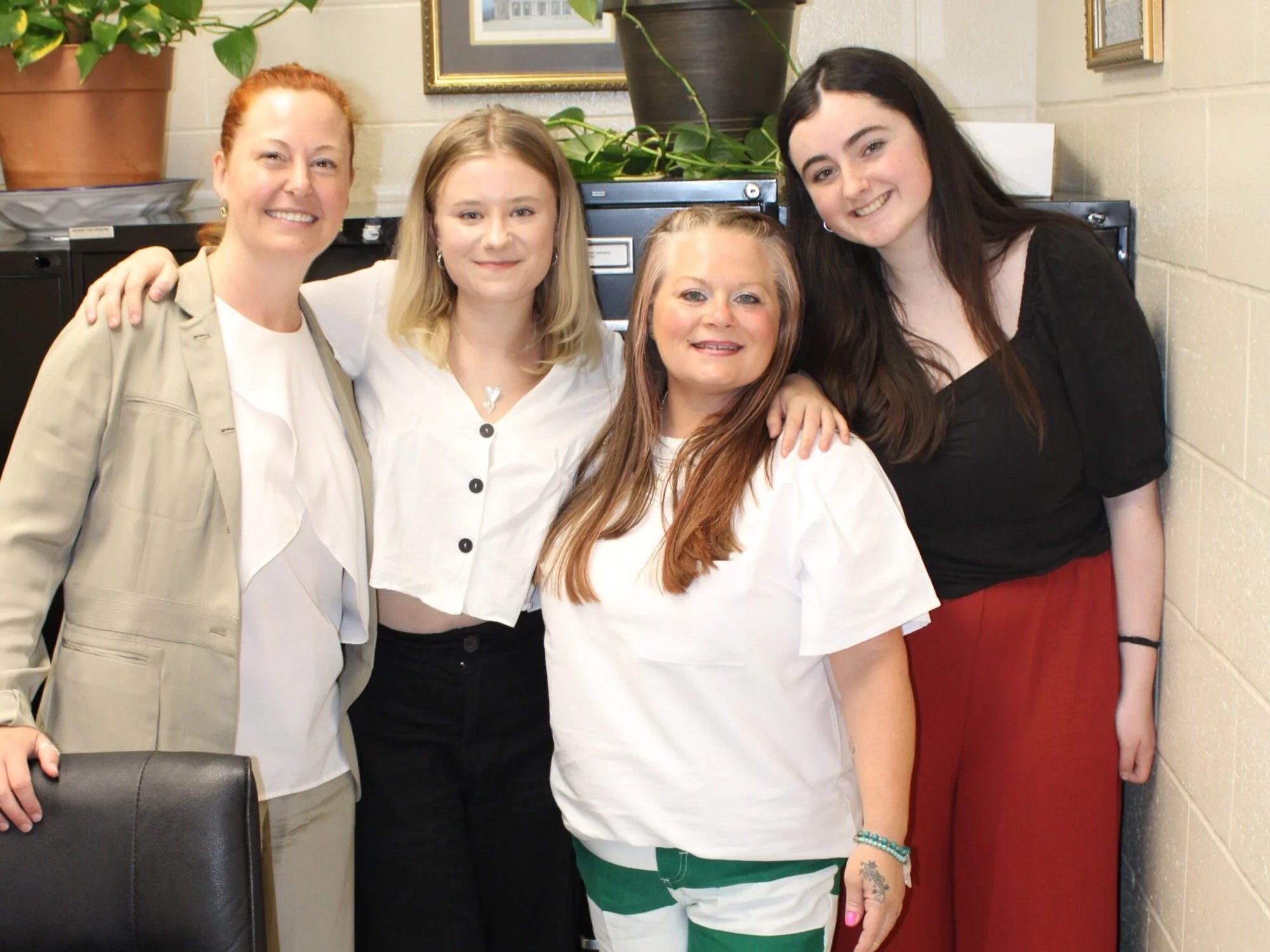
Amicus Brief: Tasha Shelby 2022
CIFS and the Innocence Network filed this amicus brief in United States District Court for the Southern District of Mississippi Southern Division in Tasha Shelby’s case to educate the court on the change in science in shaken baby syndrome. The expert at trial has since retracted his opinion in Shelby’s case based on the change in science. We argue that the shift in understanding around the SBS triad satisfies the newly discovered evidence standard.

Amicus Brief: Leon Reyes
CIFS and the Innocence Network filed this amicus brief in the Court of Appeals of the State of Washington, Division II in Leon Reyes case to argue that the shift in shaken baby syndrome warrants a new trial for Reyes. We note here is material evidence discovered since trial that could not have been discovered before that would likely change the result at a new trial.
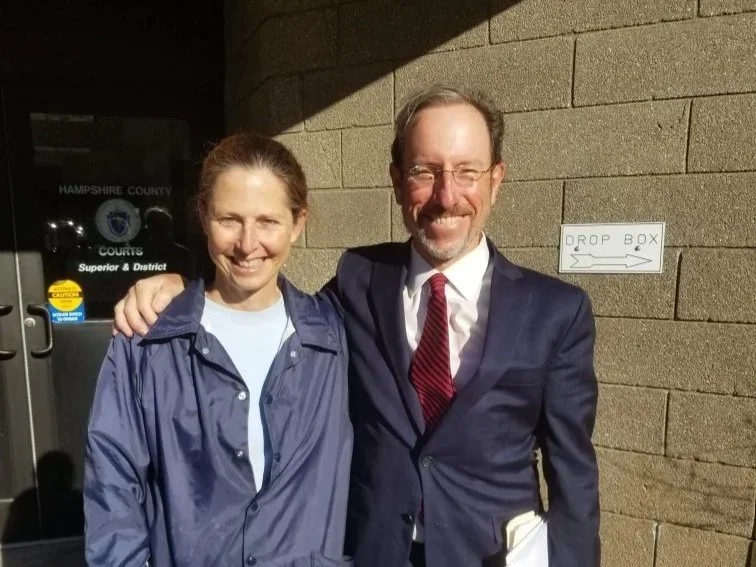
Amicus Brief: Cara Rintala
CIFS filed this amicus brief in the Massachusetts Supreme Judicial Court in Cara Rintala’s case to educate the court about the risks of novel science that lacks foundational validity. The victim and the crime scene in this case were covered in white ceiling paint and a paint expert opined on the drying time of this paint.

Amicus Brief: Teddy Chester
CIFS and the Innocence Network filed this amicus brief in the Court of Appeal Louisiana Fifth Circuit Court of Appeal in Teddy Chester’s case to educate the court that DNA evidence presented in this case was outdated, unreliable, inconclusive, and far below current standards. This evidence undercuts the constitutional guarantees and raises questions about the validity of scientific evidence more broadly.
Amicus Brief: Keith Winfield
CIFS, Boston College Innocence Program, the Committee for Public Counsel Services Innocence Program, the Exoneration Project, the Massachusetts Association of Criminal Defense Lawyers, Professor Brandon L. Garrett, Professor Stephanie Roberts Hartung, Professor Jessica S. Henry, and Professor Jeff Kukucka filed this letter in support of granting further review for Keith Winfield. This brief, filed in the Massachusetts Supreme Judicial Court, argues that the appeals court erred in denying Winfield’s petition based on ineffective assistance of counsel due to not consulting with or obtaining a defense expert.

Amicus Brief: Joshua Clark
CIFS and the Mississippi Innocence Project filed this brief in the Supreme Court of Mississippi in Joshua Clark’s case to argue that opinion testimony purporting to determine with certainty that a third-party’s unwitnessed conduct constituted “abuse,” based solely on a few non-specific medical findings, is not admissible by Daubert and Mississippi Rule of Evidence 702.

Amicus Brief: Daniel Gissantaner
Katherine Judson of CIFS participated in this brief signed by 41 other scholars of forensic science in the United States Court of Appeals for the Sixth Circuit in Daniel Gissantaner’s case to argue that the district court elevated the Daubert standard when evaluating the admissibility of STRmix. Thorough examination of the evidence more than satisfies the applicable abuse of discretion standard.
Amicus Brief: Clarence Jones III
CIFS and the Innocence Network filed this brief in the Court of Special Appeals of Maryland in Clarence Jones’ case to argue that the shift in scientific understanding of SBS satisfies the newly discovered evidence standard and the court should overturn the denial of innocence petition and vacate his convictions.

Amicus Brief: The Estate of Lana Keegan
CIFS partnered with National Coalition for Child Protection Reform, Center for Family Representation, Bronx Defenders, and Family Justice Resource Center to file this brief in the U.S. Court of Appeals for the 2nd Circuit in the estate of Lana Keenan. We argued in a suit for damages after the county improperly separated the family from their dying baby after a false accusation of shaking was made.
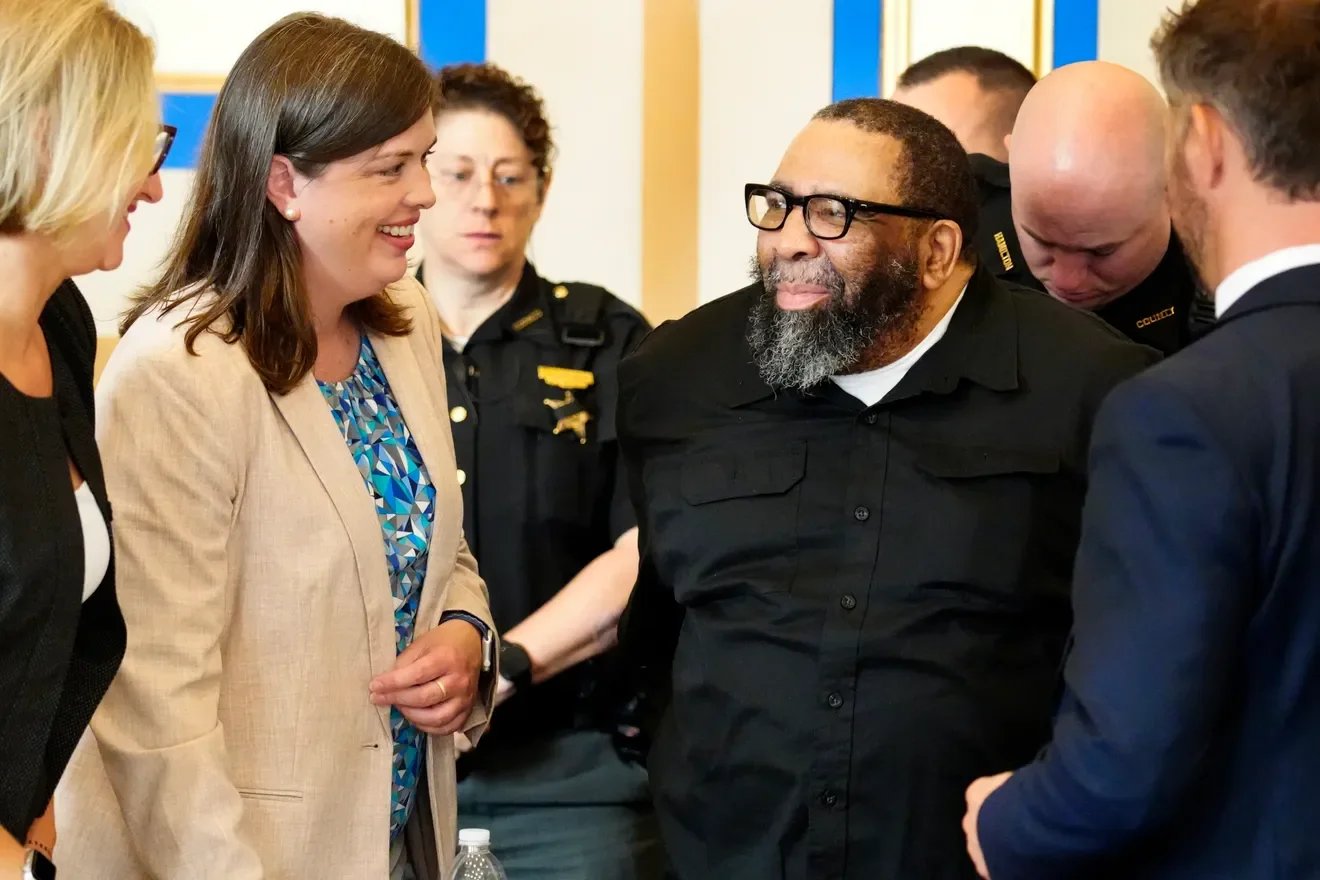
Amicus Brief: Lamont Hunter
CIFS, the Innocence Project, and the Ohio Innocence Project filed this brief in the United States District Court Southern District of Ohio in Lamont Hunter’s case to argue that especially in a capital murder case, courts should allow full discovery to defendant. Without appropriate discovery, and in a case like this one where forensic science evidence was misstated at trial, injustice follows.

Amicus Brief: Decarius Holliday
CIFS and the Innocence Network filed this brief in the Supreme Court of Louisiana in Dacarius Holliday’s case to argue that faulty forensic evidence and related false testimony--particularly regarding child sexual abuse--has contributed both to wrongful convictions and inappropriately enhanced sentences. False forensic evidence and improper interrogation tactics can lead to false confessions, further contributing to wrongful convictions.
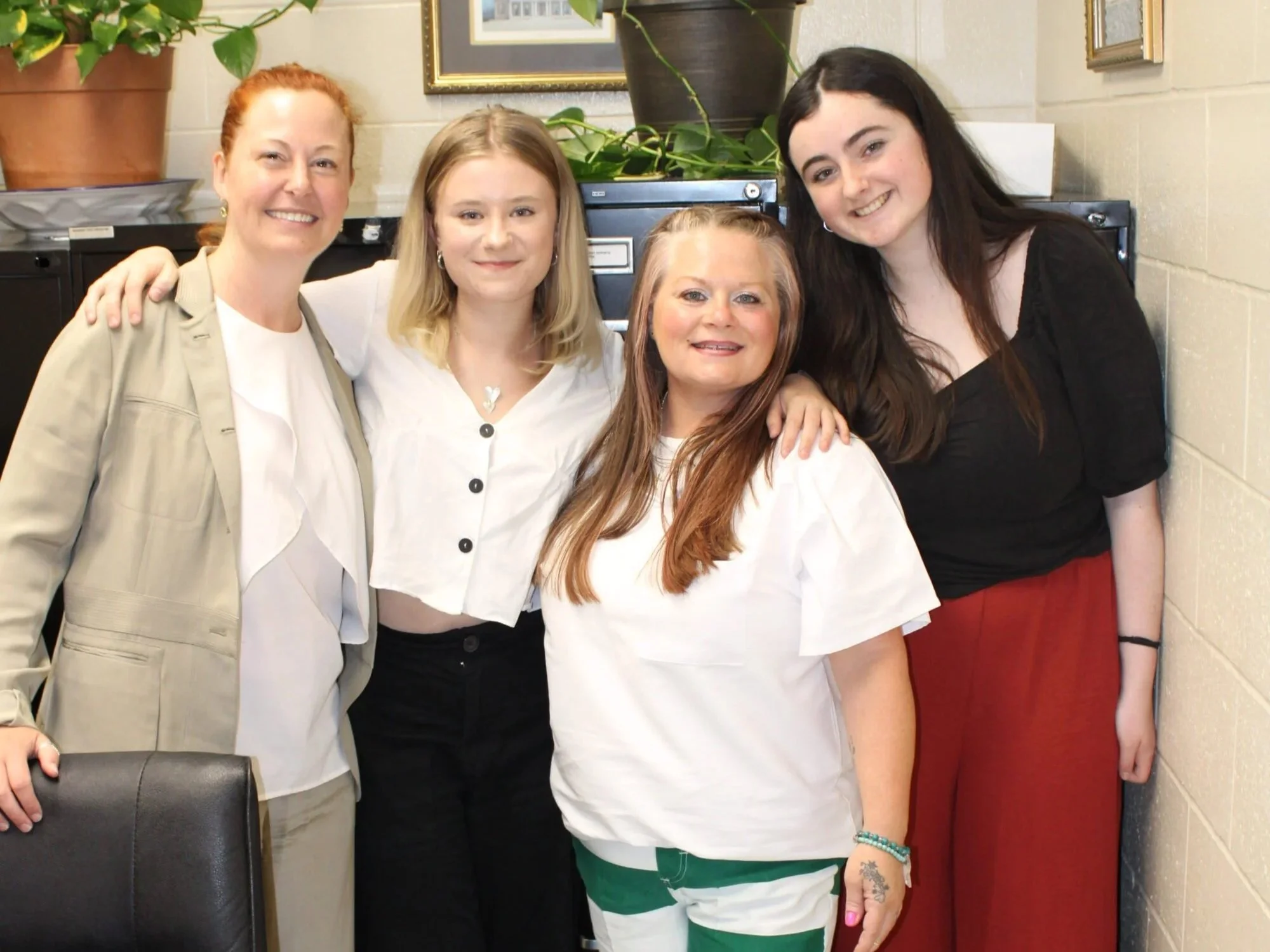
Amicus Brief: Tasha Shelby
CIFS and the Innocence Network filed this brief in the Mississippi Court of Appeals in Tasha Shelby’s case to argue that the shift in scientific understanding of SBS and a change in the medical examiner's opinion about cause of death (from homicide to accidental) satisfies the newly discovered evidence standard.