

Amicus Brief: Gregory Sugg
CIFS participated in this amicus brief in the Supreme Court of Colorado in Gregory Sugg’s case to educate the court on issues surrounding shaken baby syndrome. This amicus was submitted in support of Petition for Writ of Certiorari to determine the need for a Shreck hearing where the science has evolved.

Amicus Brief: Kimberly Cargill
CIFS filed this amicus brief in the United States Court of Appeals for the Fifth Circuit in Kimberly Cargill’s case to argue that manner of death testimony fails every requirement of Rule 702 and Daubert. It exceeds the scope of a medical examiner’s expertise, rests on no reliable scientific methodology, and usurps the jury’s core functions of evaluating evidence and determining guilt.
Amicus Brief: Shu Feng Hsu
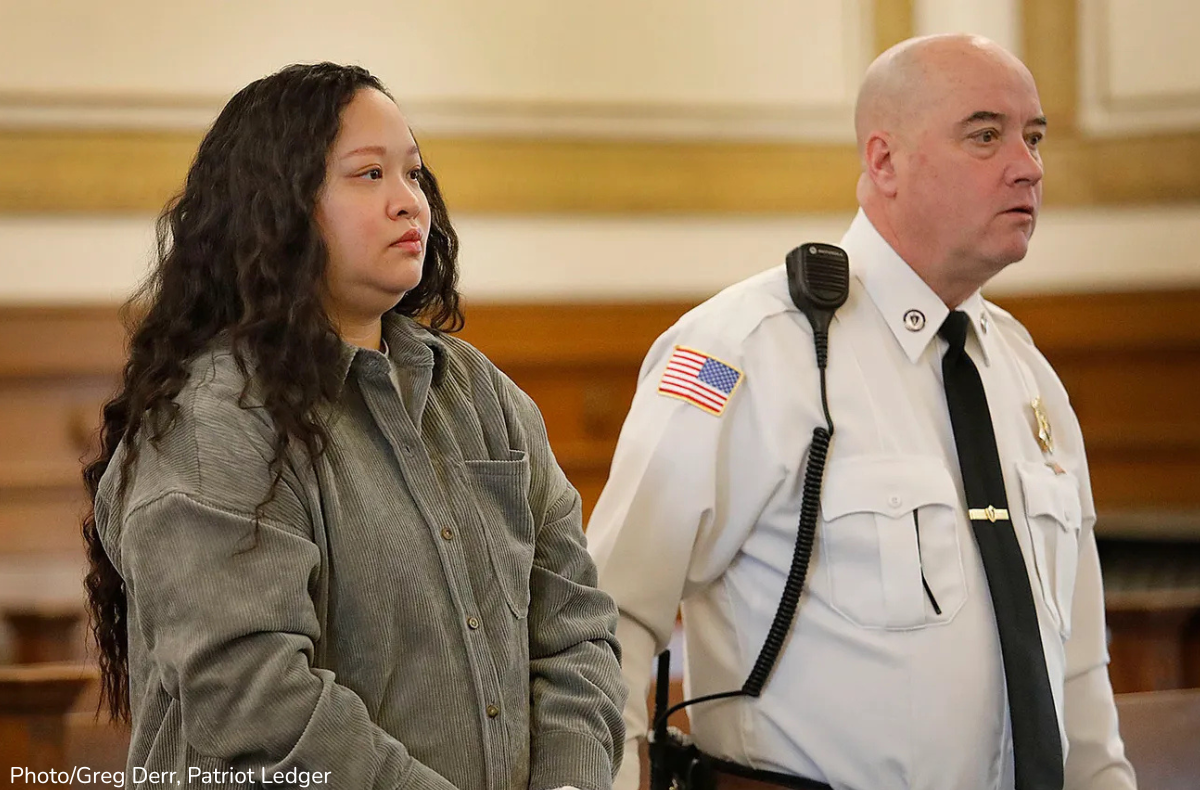
CIFS and interested physicians and scientists filed this amicus brief in the Massachusetts Supreme Judicial Court in Shu Feng Hsu’s case to educate the court on issues surrounding shaken baby syndrome. We ask the court to vacate and enter judgment as SBS/AHT is not a reliable foundation on which to base a criminal conviction.

Amicus Brief: Odell Adams 2026
CIFS, the Forensic Justice Project, and forensic science scholars and legal professionals filed this amicus brief on the Supreme Court of Oregon to Odell Adams’ case. This 2026 briefs follows our 2022 brief in the Appeals Court of Oregon which lead to the court ruling that opinions based on the pattern matching method that purport to identify the particular weapon from which a bullet or casing was fired are not scientifically valid and therefore inadmissible. This brief asks the Supreme Court to affirm the Appeal’s Court ruling.
Amicus Brief: Jerad Gourdin
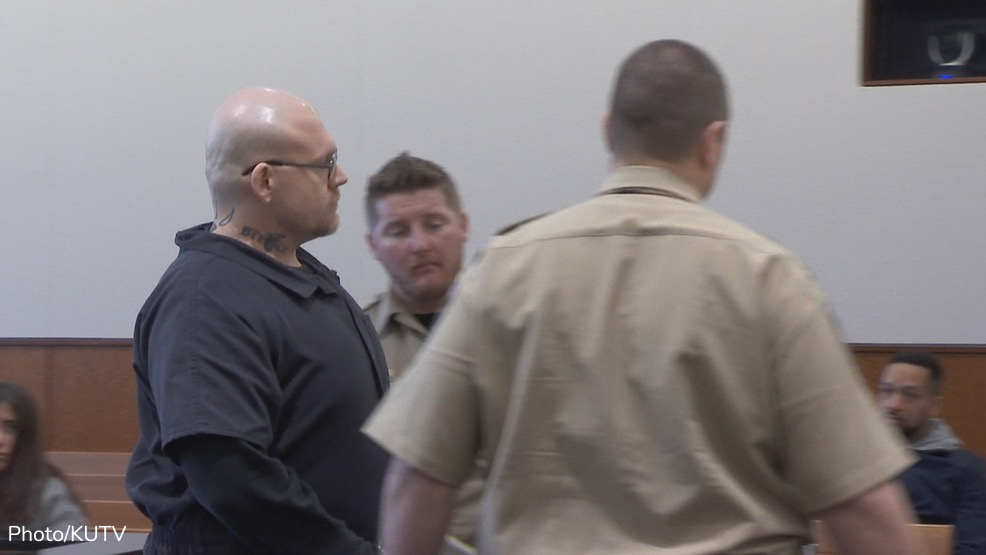
CIFS, New York University School of Law Forensic Defense Clinic, and the Utah Indigent Appellant Defense Division filed this amicus brief in the Utah Supreme Court in Jerad Gourdin’s case to argue that Gourdin’s trial attorney was constitutionally ineffective for failing to request the DNA case file. Nine pieces of DNA evidence were tested in this case. All but one excluded Gourdin. Only one item possibly implicated Gourdin, but even that was improperly analyzed by the lab. Indeed, the DNA evidence was far from inculpatory—at best, it was inconclusive.

Amicus Brief: French Lee
Kate Judson of CIFS filed this amicus brief with the Wilson Center for Science and Justice and Professors Simon Cole and Brandon Garrett in the Supreme Court of New Jersey in French Lee’s case to highlight the issues surrounding fingerprint evidence. We agree with the Appellate Division’s ruling that it is important to conduct hearings to examine the reliability of forensic evidence like fingerprint evidence.

Amicus Brief: Tyler Scott Johnston
Kate Judson of CIFS and 40 other scholars of evidence and forensic science filed this amicus brief in the United States Court of Appeals for the Second Circuit in Tyler Scott Johnston’s case to ask the court to affirm the District Court’s grant of Johnston’s motion to preclude the DNA analysis in this case. In our brief, we argue that the government’s laboratory has not done validation testing on samples of the degree of complexity at issue and, thus, the analysis of the samples at issue cannot be demonstrated to meet the requirements of admissibility under Federal Rule of Evidence 702.

Amicus Brief: Melanie H.
CIFS filed this amicus brief in the Court of Appeals of New York in M.H’s case to ask the court to reverse the lower courts’ determinations, dismiss the Family Court petitions against M.H., and grant other relief as deemed just and proper. We encourage the court to consider the pitfalls inherent in proceedings involving unauthenticated forensic evidence created by incentivized informants.

Amicus Brief: Rusty Lee Brensinger
CIFS, the Innocence Network, the Innocence Project, and the Pennsylvania Association of Criminal Defense Lawyers filed this amicus brief in the Supreme Court of Pennsylvania to argue that the court should allow Brensinger to appeal his conviction based on post-trial scientific developments in shaken baby syndrome. We note that the timeliness inquiry should not center on when the science entered the public domain.

Amicus Brief: Jennifer Baldwin
CIFS participated in this amicus brief filed by the Innocence Network in Jennifer Baldwin’s case to argue that the post-conviction court abused its discretion in applying the Knaffla-bar to Baldwin’s claims. Flawed forensic science is a major contributing factor to wrongful convictions and it’s critical that petitioners have access to the court to litigate these issues post-conviction.

Amicus Brief: Katherine Proctor
CIFS participated in this amicus brief filed by the Innocence Network in the Supreme Court of the State of Montana in Katherine Proctor’s case. They outline Montana Rule of Evidence 702, requiring that scientific evidence offered by expert opinion must be reliable. The state expert in Proctor’s case concluded that small subdural hemorrhage, hemorrhaging in the eyes, and hypoxic-ischemic injury are evidence that the baby was shaken. They argue the conclusion is not based on a reliable scientific method of study, therefore, violating rule 702.

Amicus Brief: Lance Hinson
CIFS and the Innocence Network filed this amicus brief in the Court of Appeals for the State of Alaska in Lance Hinson’s case to argue against the high burden of AS 12.73. The law currently requires proof of actual innocence to move forward with DNA testing. The Superior Court recently interpreted AS 12.73 to not require actual/factual innocence. Our brief asks the Appeals Court to uphold the lower court’s ruling.

Amicus Brief: Joshua Peacher & Nereida Allen
CIFS, the Innocence Network, Dr. Waney Squier, Dr. Knut Wester, and Dr. Jane Turner filed this amicus brief in the Kentucky Court of Appeals in Joshua Peacher and Nereida Allen’s case to educate the court on the fallible origins of shaken baby syndrome. We ask the court to carefully consider the shift in medical science that underlies the SBS/AHT hypothesis and reverse the Jefferson Circuit Court’s order denying Peacher and Allen’s motion to vacate and grant them a new trial.

Amicus Brief: Cody Kloepper
CIFS and the Innocence Network filed this amicus brief in the Supreme Court of the State of Washington in Cody Kloepper’s case to argue that post-conviction DNA testing requires relief for Kloepper. Other jurisdictions have recognized that even “overwhelming” evidence of guilt does not inherently diminish exculpatory DNA results.
Amicus Brief: Lawrence Keith Johnson
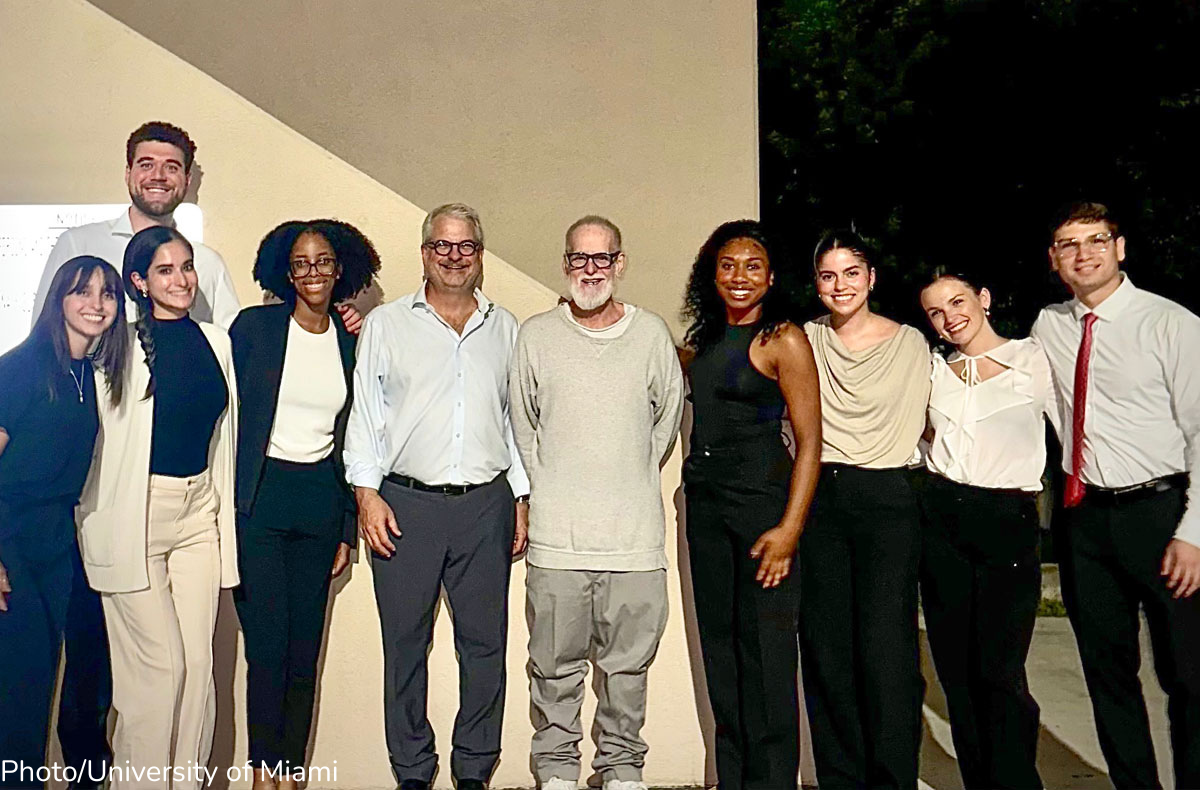
CIFS and the Innocence Network filed this amicus brief in the District Court of Appeal of Florida, Fourth District in Lawrence Keith Johnson’s case to ask the court to reverse the trial court’s summary denial of the Rule 3.850 motion for post-conviction relief or remand Mr. Johnson’s case to the trial court and order an evidentiary hearing.
Amicus Brief: Areli Escobar 2024
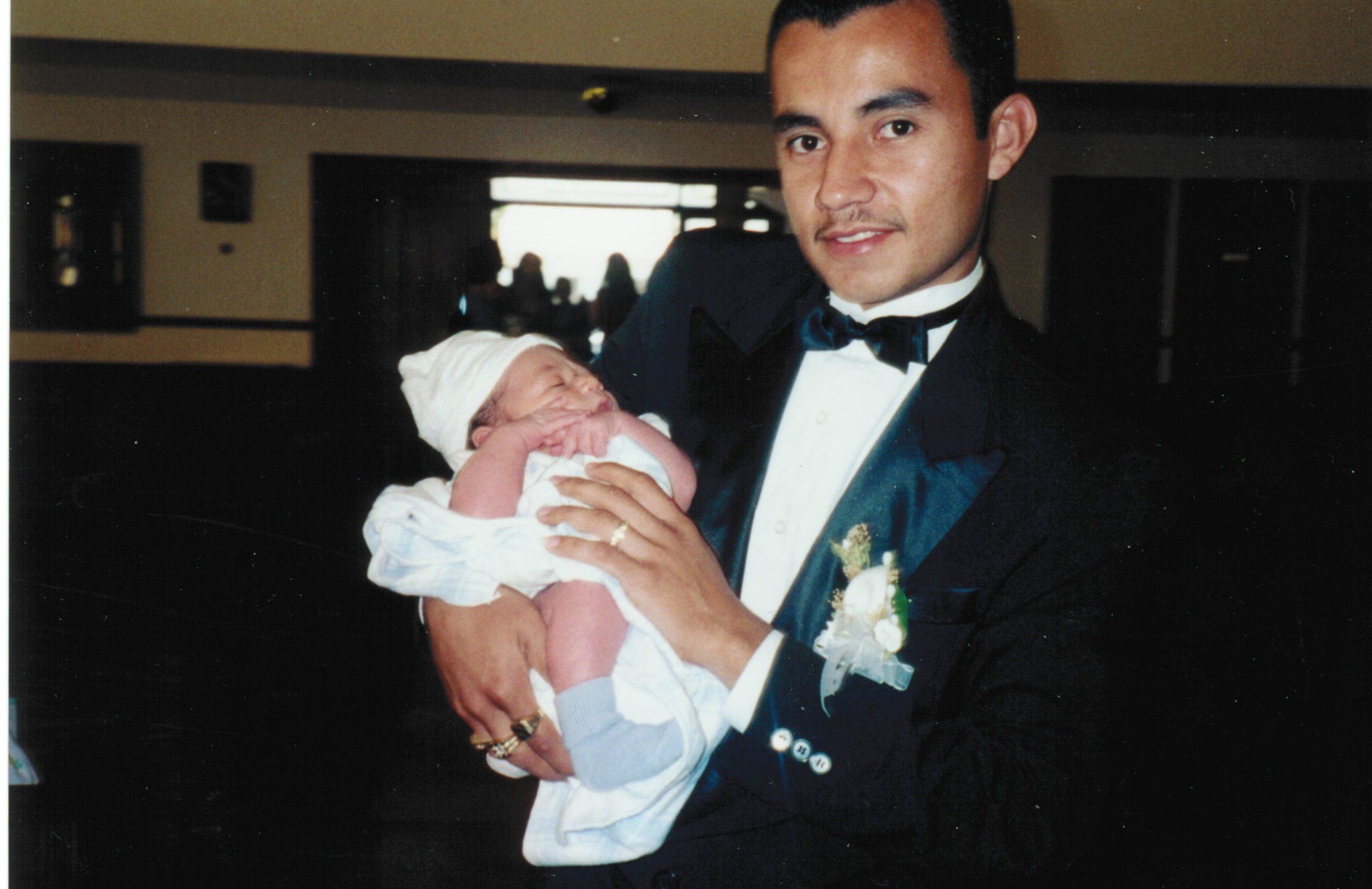
CIFS and the Innocence Network filed this amicus brief in the Supreme Court of the United States in Areli Escobar’s case. This brief follows our 2022 amicus brief which sent the case back to the Texas Court of Criminal Appeals (TCCA) for further review. The TCCA came to the same conclusion, denying relief. This 2024 amicus brief in Escobar’s case asks SCOTUS to intervene because the TCCA will not.

Amicus Brief: Julian Gallardo
Kate Judson joined various forensic science and legal professionals to file this amicus brief in the Court of Appeals of the State of Oregon in Julian Gallardo’s case to educate the court on issues surrounding the cell phone tracking data. We raise the issue around admissibility of ZetX Trax evidence which uses cell phone call detail records to create maps that supposedly show the phone's location at the time calls were made. Police officers used ZetX in this case to show the jury that Gallardo was at the location of the crime when it happened.
Amicus Brief: Chazlee Lemons 2023
CIFS and the Innocence Project filed this amicus brief in the Michigan Supreme Court in Charles Lemons’ case to ask that the court grant Lemon’s relief and hold that (1) biomechanical engineering expert testimony is admissible if proffered by a qualified expert in a relevant case involving SBS/AHT allegations, and (2) in light of a confession’s power to corrupt other evidence in a case and create false indicia of corroboration, confession evidence is not a bar to an otherwise meritorious motion for a new trial based on newly discovered evidence.
Amicus Brief: Darryl Nieves
CIFS and the Innocence Project filed this brief in the Superior Court of New Jersey Appellate Division in Darryl Nieves’ case to ask the court to affirm the trial court order excluding expert evidence concerning the AHT diagnosis, and affirm the dismissal of the indictment.
Amicus Brief: Odell Adams
Kate Judson of CIFS and various other legal scholars filed this amicus brief in the Court of Appeals of the State of Oregon to Odell Adams’ case to argue that the court should properly apply the preponderance standard for admissibility and find that opinions based on the pattern matching method that purport to identify the particular weapon from which a bullet or casing was fired are not scientifically valid and therefore inadmissible.